From Babylon to the moon
A modern permanent exhibition, a digital media guide and new paths across the grounds make a visit to the museum a real experience.
Brand new from 20 March
Inside, history becomes a game: discover impressive brick buildings, travel playfully through different eras and learn how people built and lived together in the past, present and future.
Outside, new themed islands invite you to explore the grounds of the former brickworks at your own pace. Clearly presented stations at the original production sites explain brick manufacturing, supplemented by newly designed areas on the Lippe migrant brickmakers.
One museum – many perspectives. And a building material that writes history.
Let's play

Playful exhibition in the main building
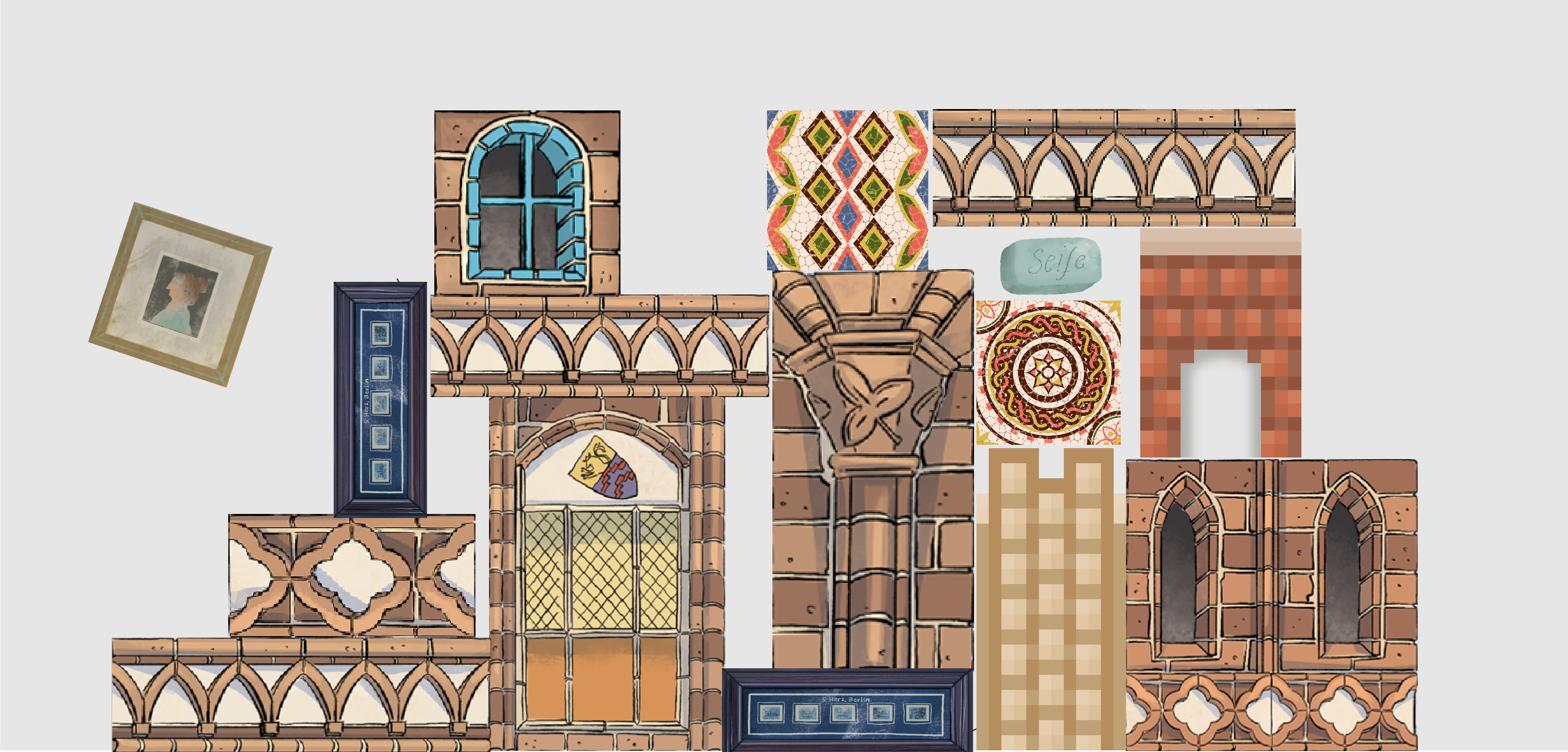
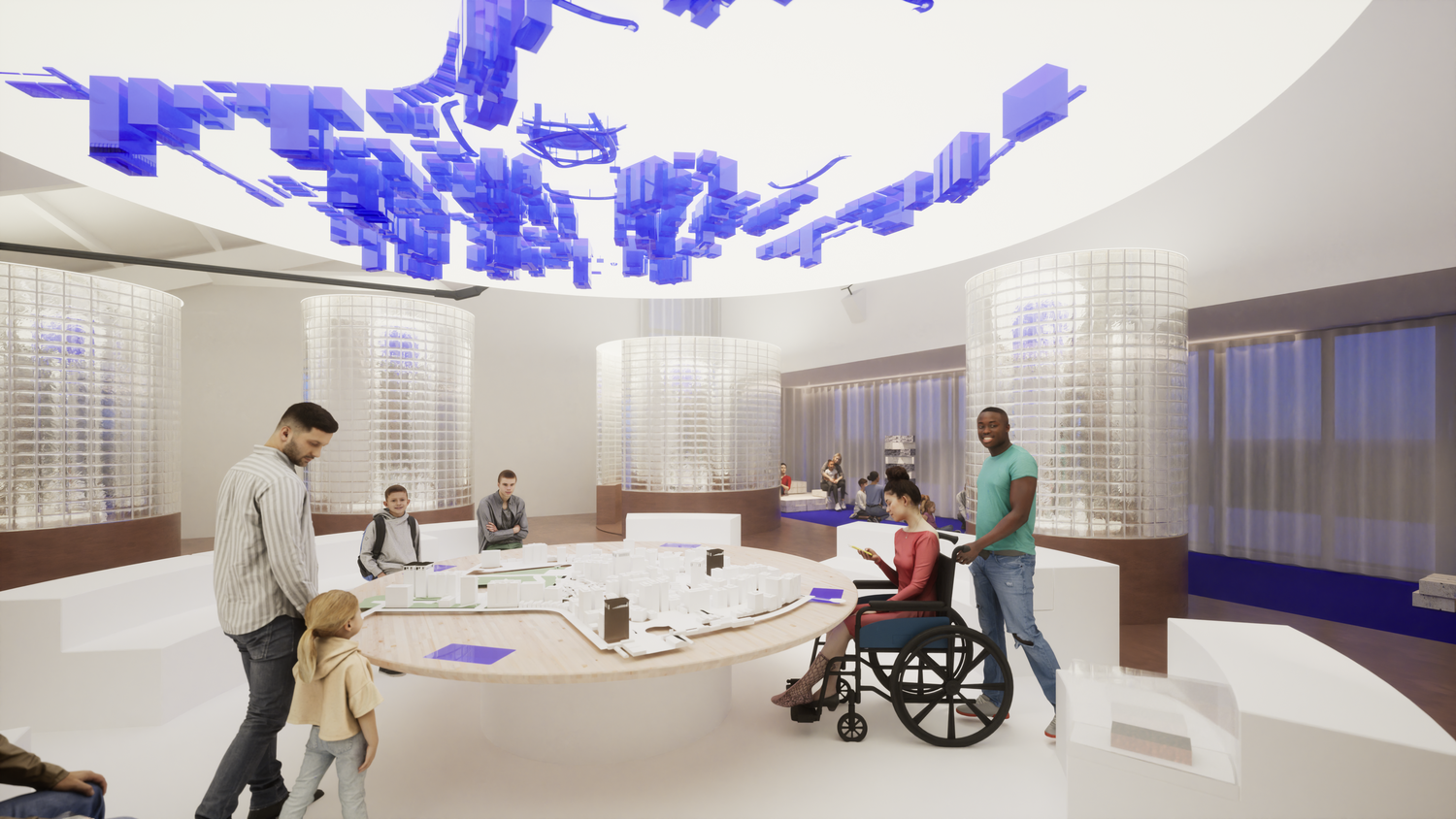
The permanent exhibition in the museum's main building focuses on six buildings from different periods in which bricks played an important role: from the Tower of Babylon to a Roman Mansion to the town hall in Stralsund. What makes it special is that each building has its own digital or analogue-digital game that conveys key information. Visitors can playfully discover the special features of each era through the themes of construction, architecture, housing and urban development. Another part of the exhibition is dedicated to current future trends and is updated every two years with a new focus and different questions.
Tower of Babylon
The construction of the 90-metre-high, seven-tiered temple tower Etemenanki in Babylon is considered to be the real-life inspiration for the well-known biblical story of the Tower of Babel. It was built in the 6th century BC by the Babylonian ruler Nebuchadnezzar II. It is an architectural masterpiece that proves that high-rise buildings were already being constructed from bricks over 2,000 years ago. Built by the ruler and protected by the gods, the temple tower formed the social centre of the city.
Otrang Mansion
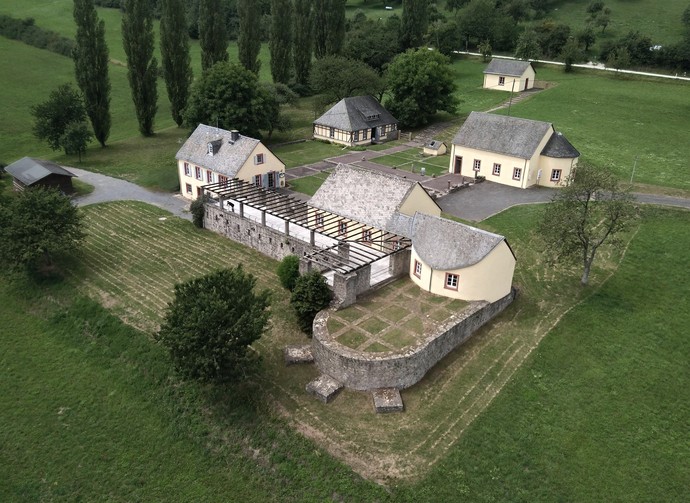
The introduction of bricks as a building material by the Romans enabled new construction methods and luxurious forms of living. The Otrang Mansion near Trier was built in the 1st century AD and serves as an example of this development. It demonstrates the luxury and comfort offered in such Mansion: heated floors, private bathrooms, elaborate mosaics and magnificently decorated walls. In addition, the Roman Mansion also had an important agricultural function thanks to its land and farmland, ensuring the supply of the entire surrounding area.
Stralsund Town Hall
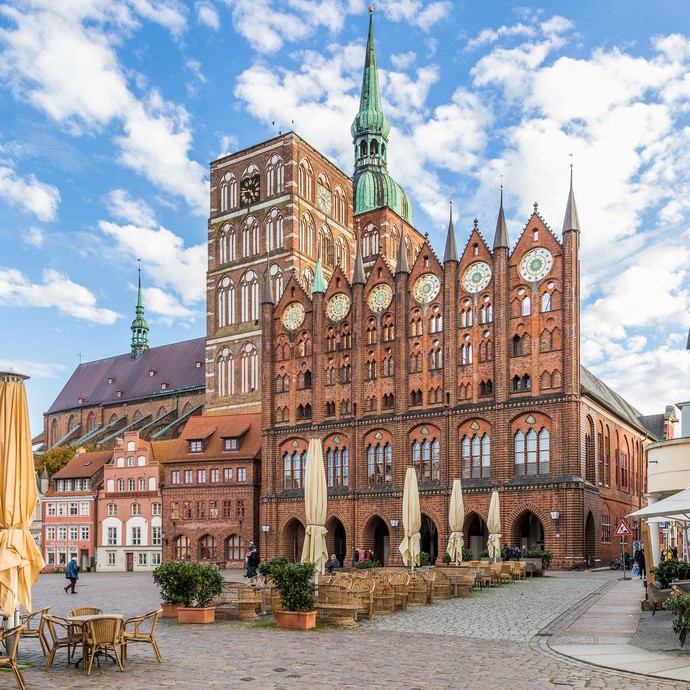
The brick Gothic architectural style flourished in the Middle Ages. Numerous buildings were constructed from brick in the young towns on the Baltic Sea. One example of this is the town hall in Stralsund, most of which was built in the 14th century. The decorative town hall reflects the wealth and power of the Hanseatic city. With its meeting rooms, warehouse and stalls for small traders and grocers, it formed a multifunctional centre of urban life. Over the centuries, the town hall has been used, redesigned and renovated, so that today it features a variety of architectural styles.
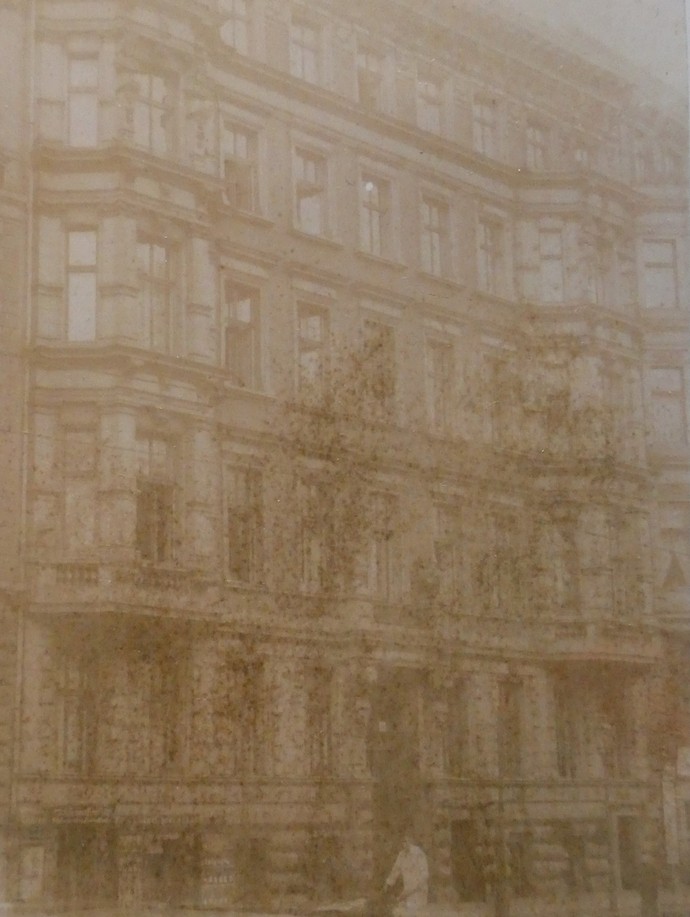
Rental property at Kreuzbergstrasse 72
In 1885, master mason Dolz built an apartment building on Kreuzbergstraße in Berlin. It was a mixture of residential and small commercial units. The front building housed large apartments, while the rear building was home to simple workers. The bricks for the construction were delivered from Zehdenick. The architectural style of the building and its surroundings was historicist. Urban planner James Hobrecht designed a plan for urban development in Berlin that took into account the needs of an industrialised metropolis.
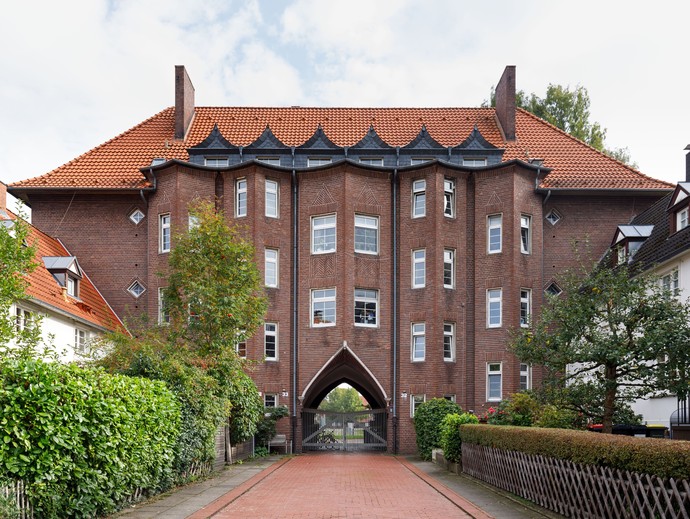
Siekerfelde housing estate
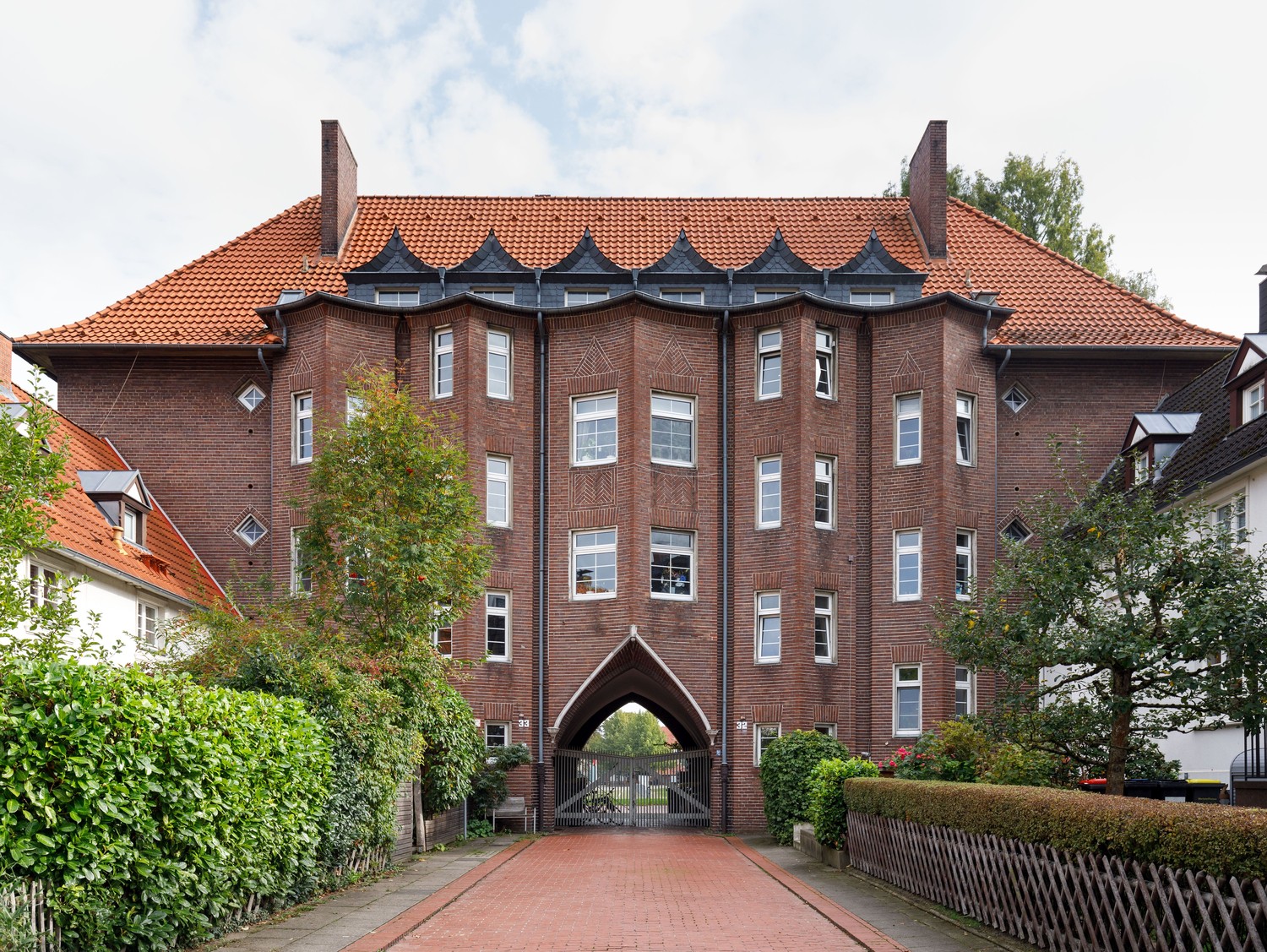
The "Freie Scholle" cooperative built the Siekerfelde housing estate in Bielefeld in 1927. A total of 101 flats were built around a sports field. The flats were well equipped and special flats were also provided for single women with children. The cooperative planned the estate with its own architect and used bricks from the surrounding area. Today, the cooperative is the largest housing cooperative in Bielefeld with over 5,000 flats and 7,600 members. It offers its members a comprehensive infrastructure in the residential environment. Brick expressionism was a defining architectural style of the time, creating new buildings with clear structures and the use of bricks.
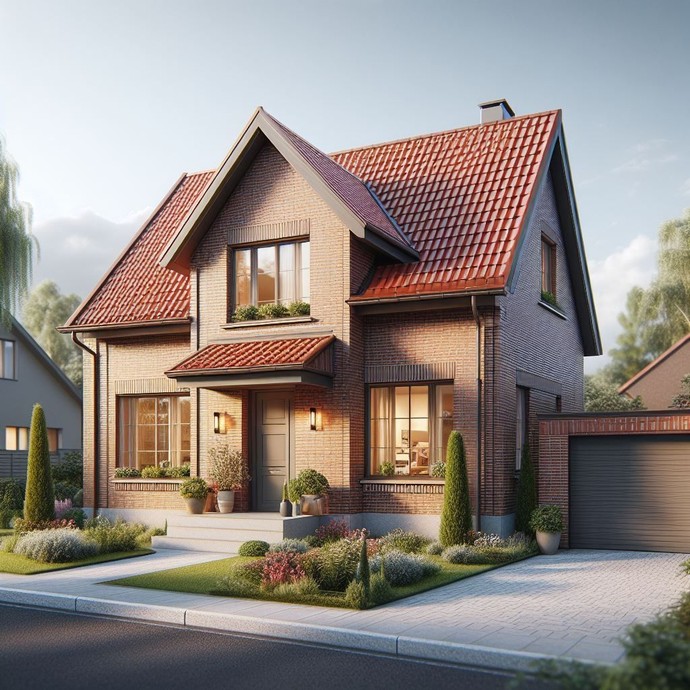
Single-family house
The detached house remains a dream for many people, but it has many advantages and disadvantages. Various people from the Lage area share their personal stories and experiences with detached houses. Questions about the sustainability of detached house construction and urban development are also addressed. Urban development in the municipality of Lage is considered a regional example.
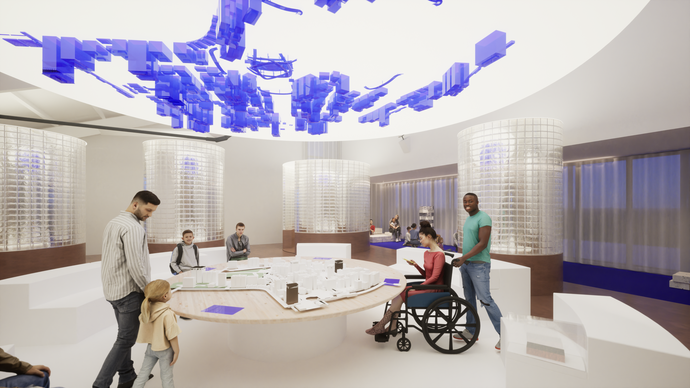
Future
The exhibition unit brings together the past, present and future and invites visitors to discuss socially relevant issues. The unit is flexible and is regularly updated with new topics. The opening exhibition will focus on the topic of ‘circular construction’ – for example, the return of building materials to the material cycle and the reuse of parts already installed in buildings.
On the museum grounds
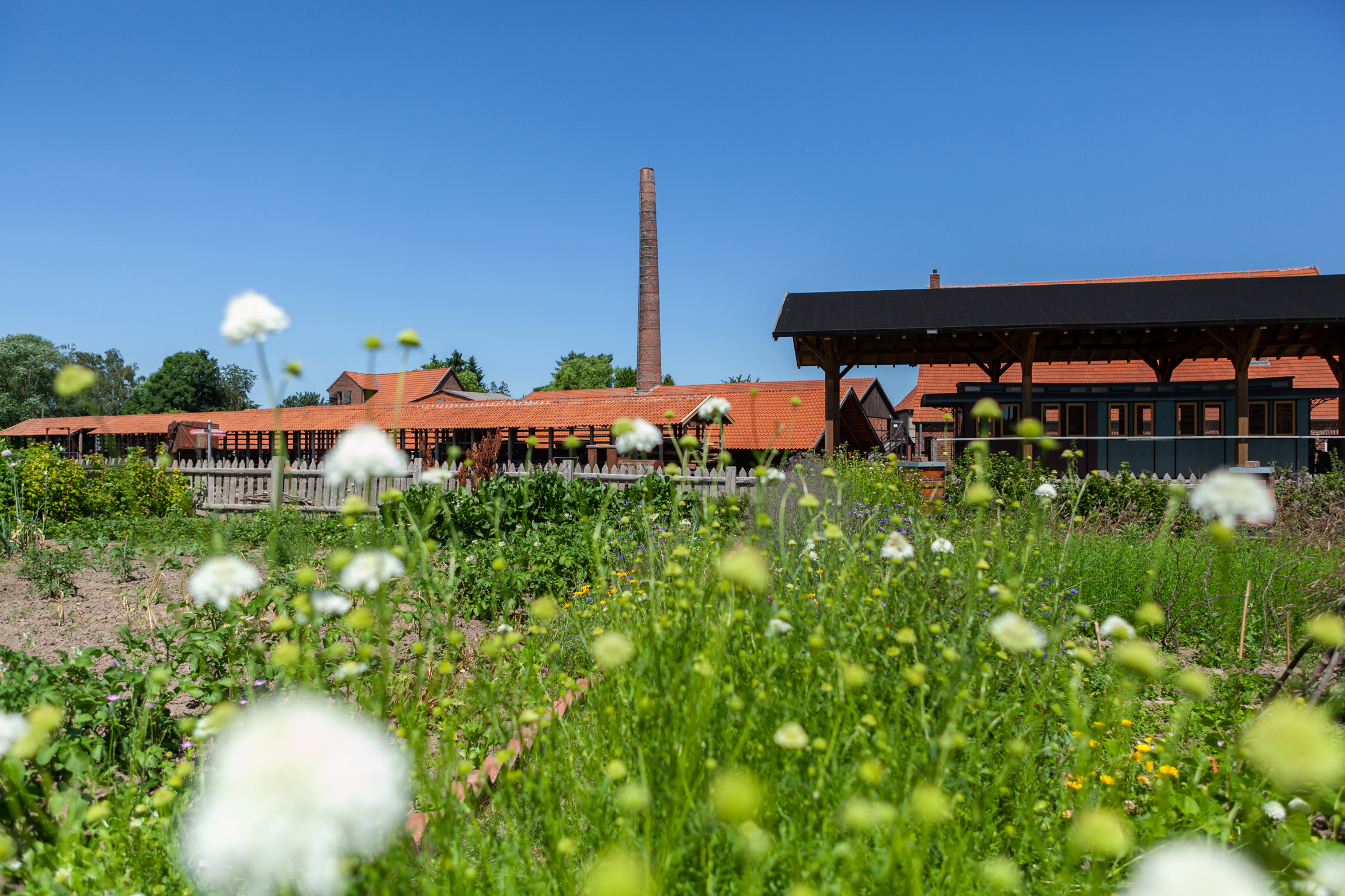
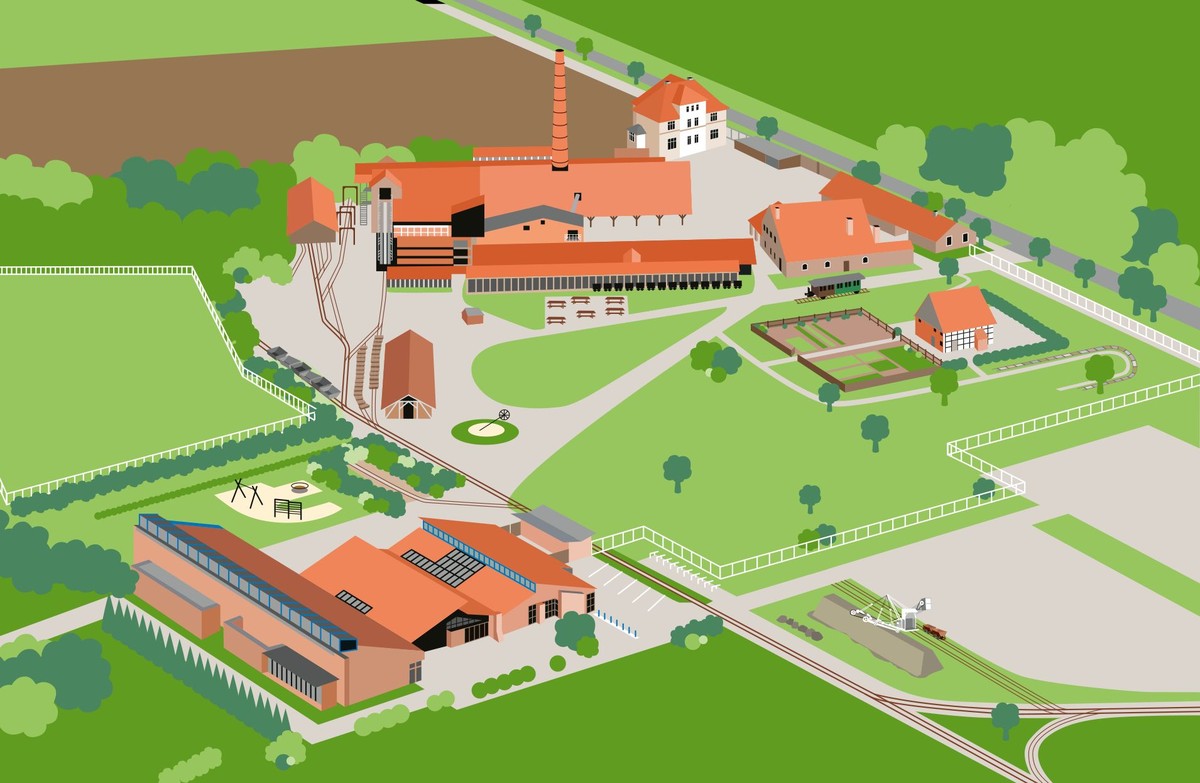
Visually appealing themed areas on the grounds of the former Beermann brickworks complement the exhibition in the main building. After providing an overview of clay as a raw material, the paths lead through former production facilities and explain the steps involved in brick production at accessible stations. Other exhibition rooms showcase the history of the Lippe migrant brickmakers and the family history of the brickworks founder, Beermann.
Raw material clay
Clay, water, sand
The tour of the museum grounds begins with an overview of clay, a raw material that humans have been using for building for thousands of years. It occurs in many places around the world, is easy to shape and can be reused. When fired, it hardens permanently. This is how bricks are made – one of the oldest building materials known to mankind.
Clay is usually extracted from pits on the surface, in what is known as open-cast mining. Once clay extraction has ended, the pits are converted into new habitats, agricultural land or recreational areas.

Hand stroke
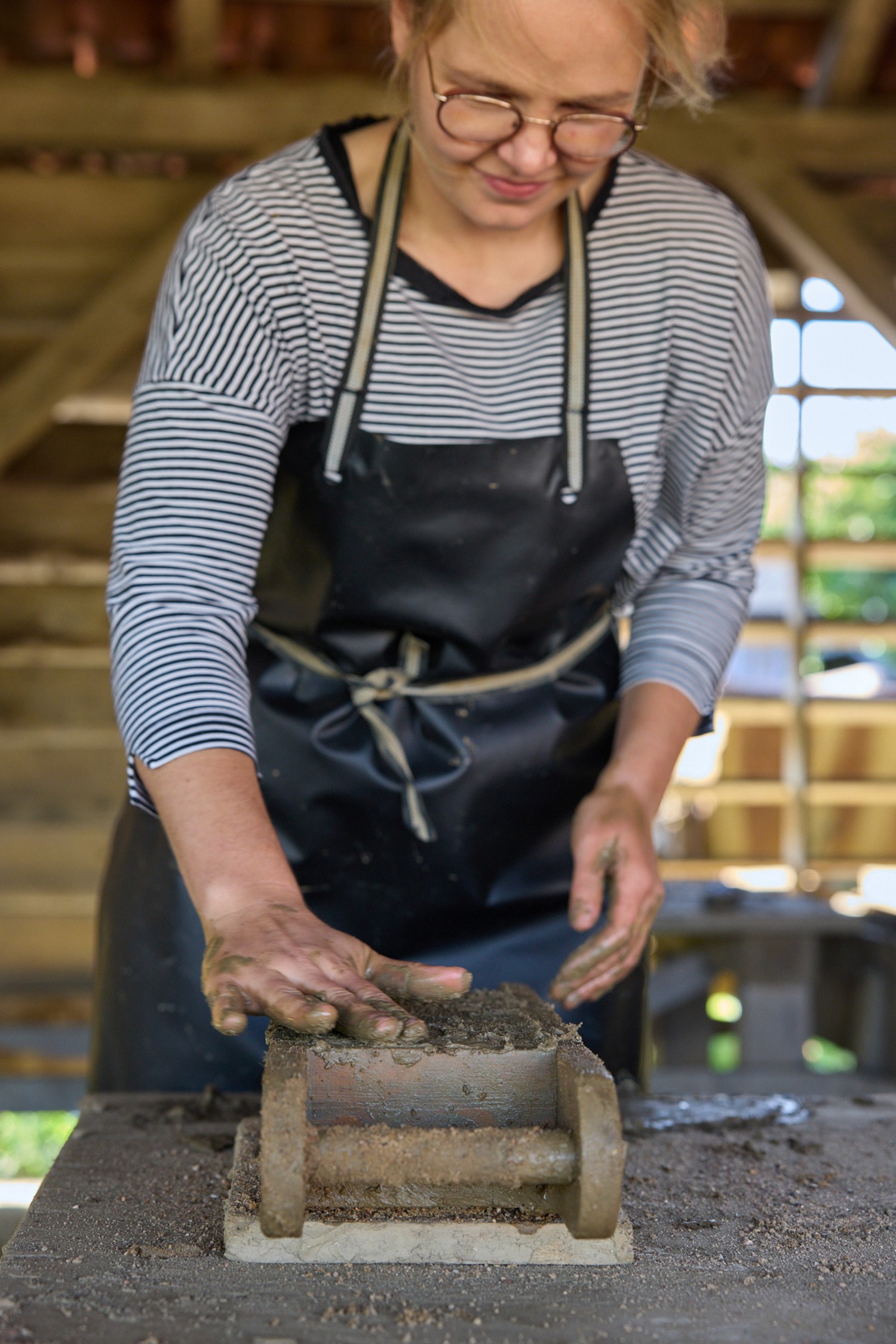
Bricks made by muscle power
For thousands of years, brickmakers produced bricks with their bare hands. They worked right next to the clay deposits. There, in the open field, they also built the kilns. That is why they are called field kilns. It was not until the 19th century that the first machines for brick production appeared. Today, Asia produces up to 87% of the world's bricks – and often still by hand.

Machine-made brickworks
In time with the machines
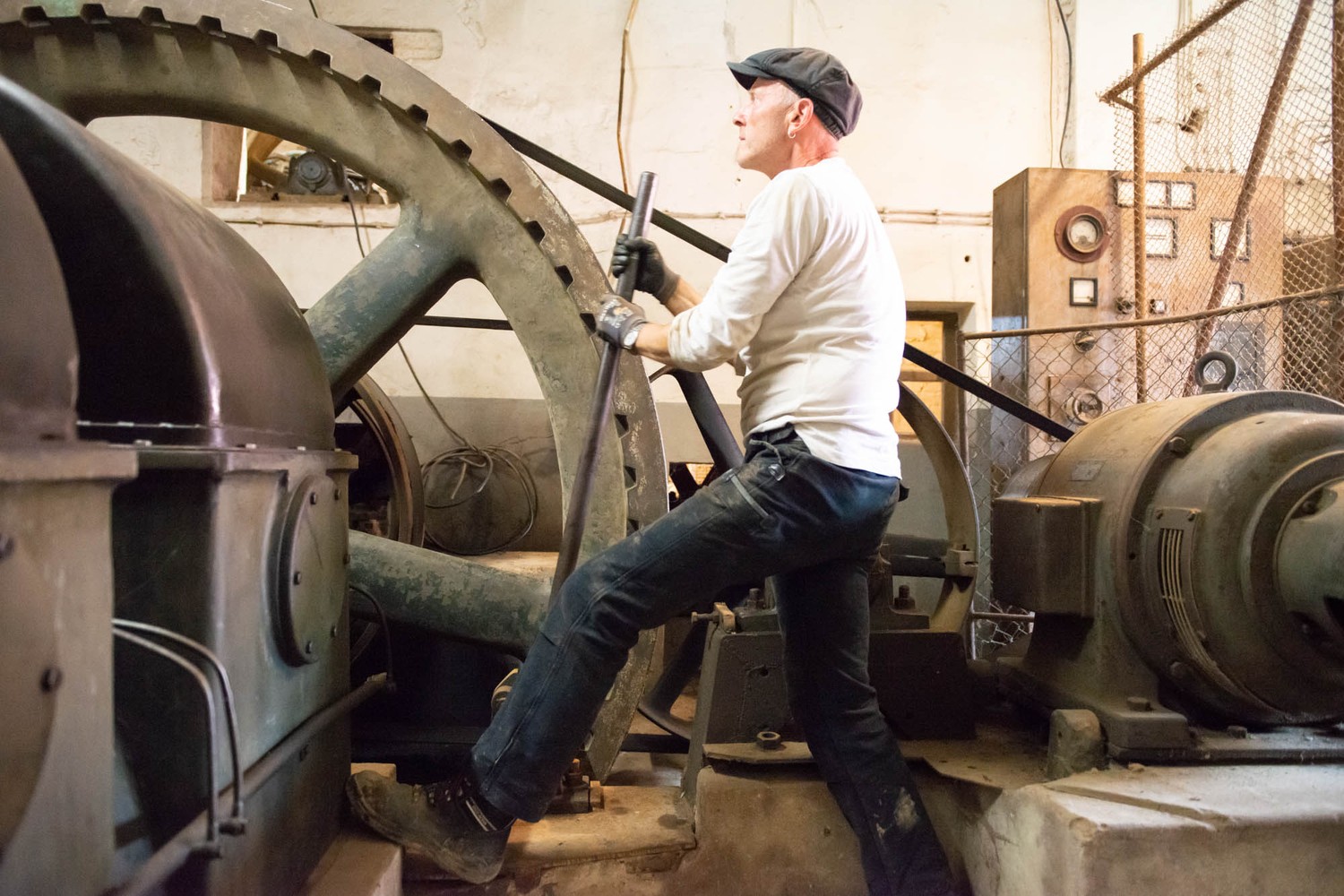
The invention of the steam engine in the 18th century radically changed brick production. It powered the new machines in brickworks, which accelerated production and replaced manual labour. The historic plant is still in operation as part of show productions: every summer, over 15,000 bricks are produced in two weeks.
Ring kiln
All fired up
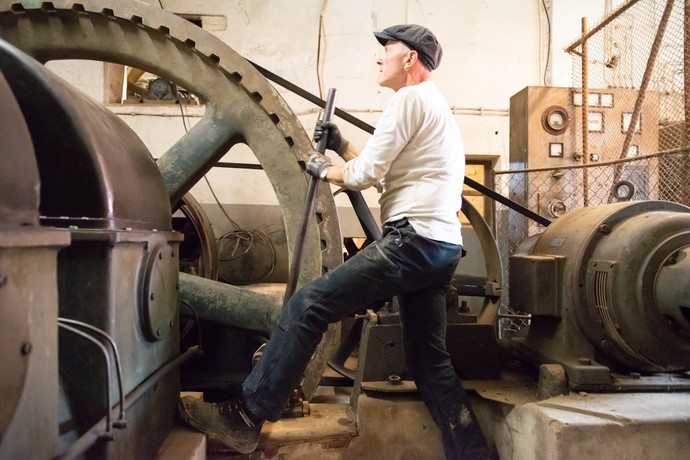
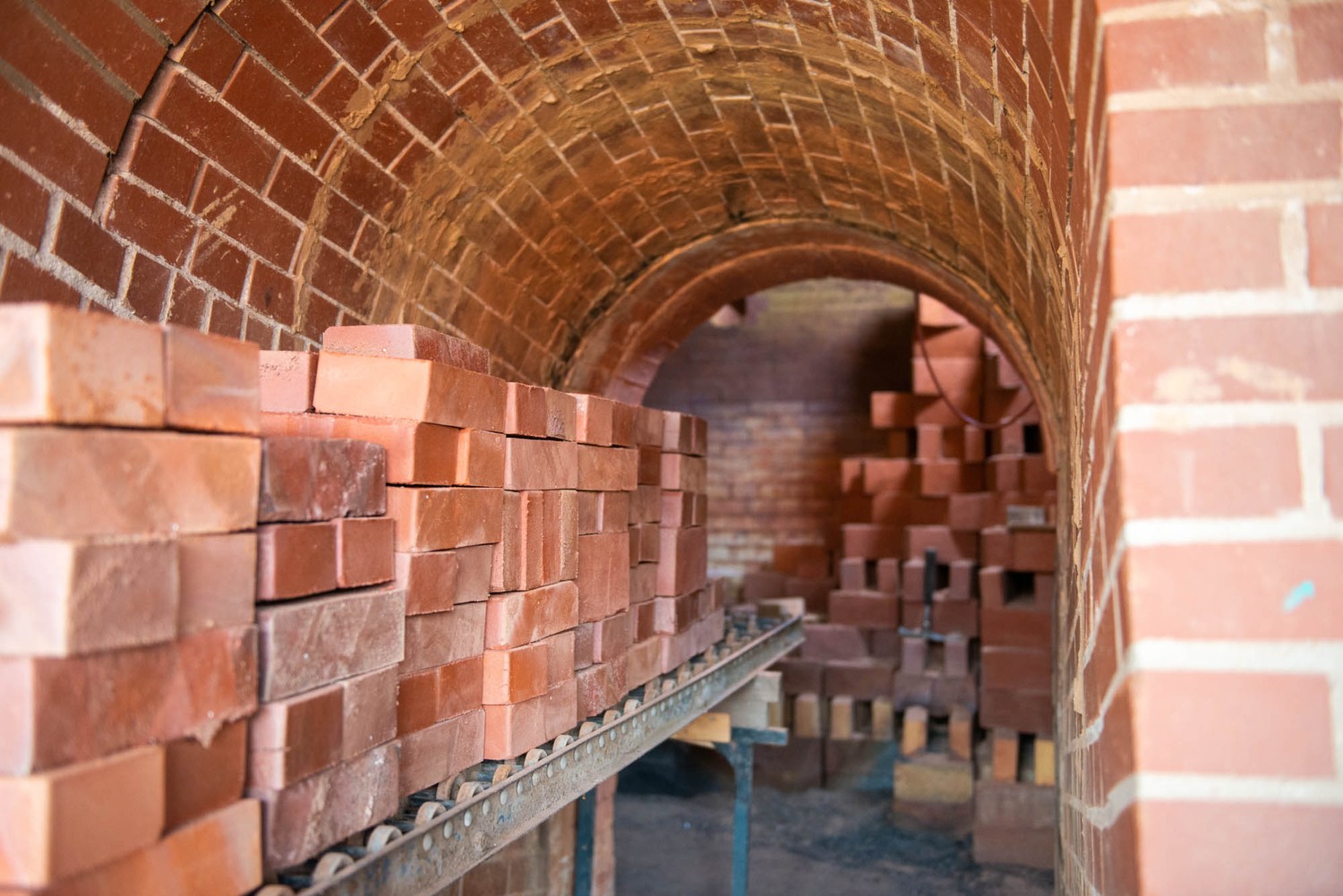
In a ring kiln, such as the one here at the brickworks, the fire moved through the kiln. When the fire reached the opposite side of the kiln, workers removed the fired bricks and placed new blanks in front of the fire. Once lit, the kiln burned from spring until the end of the season in November. Every year, the museum stages a demonstration of brick firing in part of the ring kiln.

Beermann Mansion
The company history
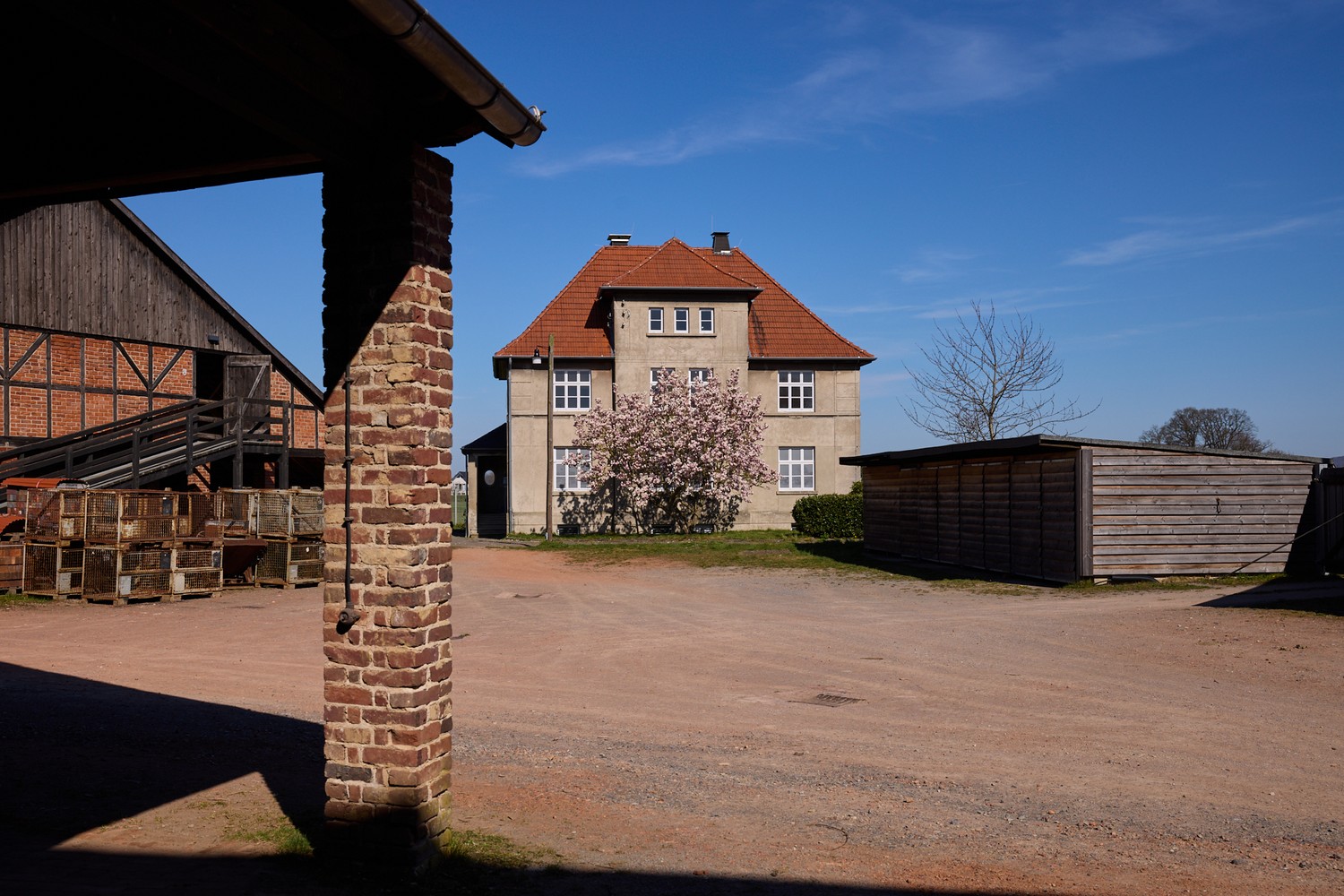
The exhibition in the entrepreneur's Mansion sheds light on the family history of brickworks founder Beermann. The Beermann family ran the brickworks from 1909 to 1979 and lived right next door. The building was constructed in 1922. Initially, company founder Gustav Beermann lived here with his wife Emilie and their five children. Later, the parents lived on the ground floor, while the adult children moved into the first floor with their families. Thus, the Mansion became a multi-generational home. The museum took over the building in 2003. After extensive renovation, it now displays the history of the brickworks. The upper floor also offers space for special exhibitions and offices.




Museum app
The museum app is available for download for visitors to the exhibition. With the app, visitors can also become part of the exhibition and build their own digital house in the large interactive city in the permanent exhibition.
Social history
Work, everyday life and family
150 years ago, up to 14,000 men left their families in the Principality of Lippe between March and October. They produced bricks in northern Germany, around Berlin and in the Ruhr area. The rapidly growing cities needed building materials for homes and factories.
Most people in Lippe worked as agricultural labourers. They also earned money by spinning and weaving linen at home. The construction of the railway from Cologne to Minden in 1847 laid the foundations for industrialisation. However, Lippe remained without a railway connection until 1880. Home-based work could not compete with industrial production. The population became impoverished. Tens of thousands emigrated to America or worked as migrant bricklayers.
To this day, economic hardship is the reason for migrant labour.
Migrant work
Housed in a former brickmaker's accommodation, the museum provides an in-depth insight into the history of the itinerant brickmakers of Lippe. The exhibition highlights aspects of the communal life and interactions of the men from Lippe who travelled year after year to work in other brickworks.
Family and agriculture
In contrast, the Zieglerkotten shows the perspective of the wives of the itinerant brickmakers, who remained in Lippe with their children. They were responsible for the family and its sustenance, working in agriculture and cultivating large vegetable gardens.
A journey to foreign lands
The 4th class carriage tells the story of the journey of the travelling brickmakers, which was made easier from 1880 onwards by a railway connection from Lippe.
Switch to simple language.
Activate audio support.
A video will open up presenting the text in sign language.